
Empowering Young Adults through goal setting
January 17, 2026
Understanding Psychoeducation: Stress, Burnout, and Anxiety
January 31, 2026
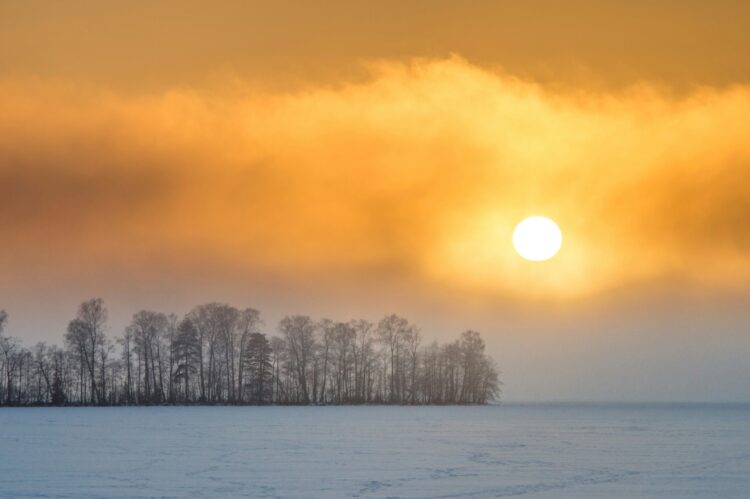
When the holidays end and winter sets in, many people notice their mood change. By mid-January, the days feel long, dark, and tiring. For some people, this feeling is more than the “winter blues.” It may be Seasonal Affective Disorder (SAD).
SAD is a type of depression that happens during certain seasons, usually fall and winter. Feeling a little down is normal, but SAD is more serious and can affect daily life, school, work, and relationships.
What Causes SAD?
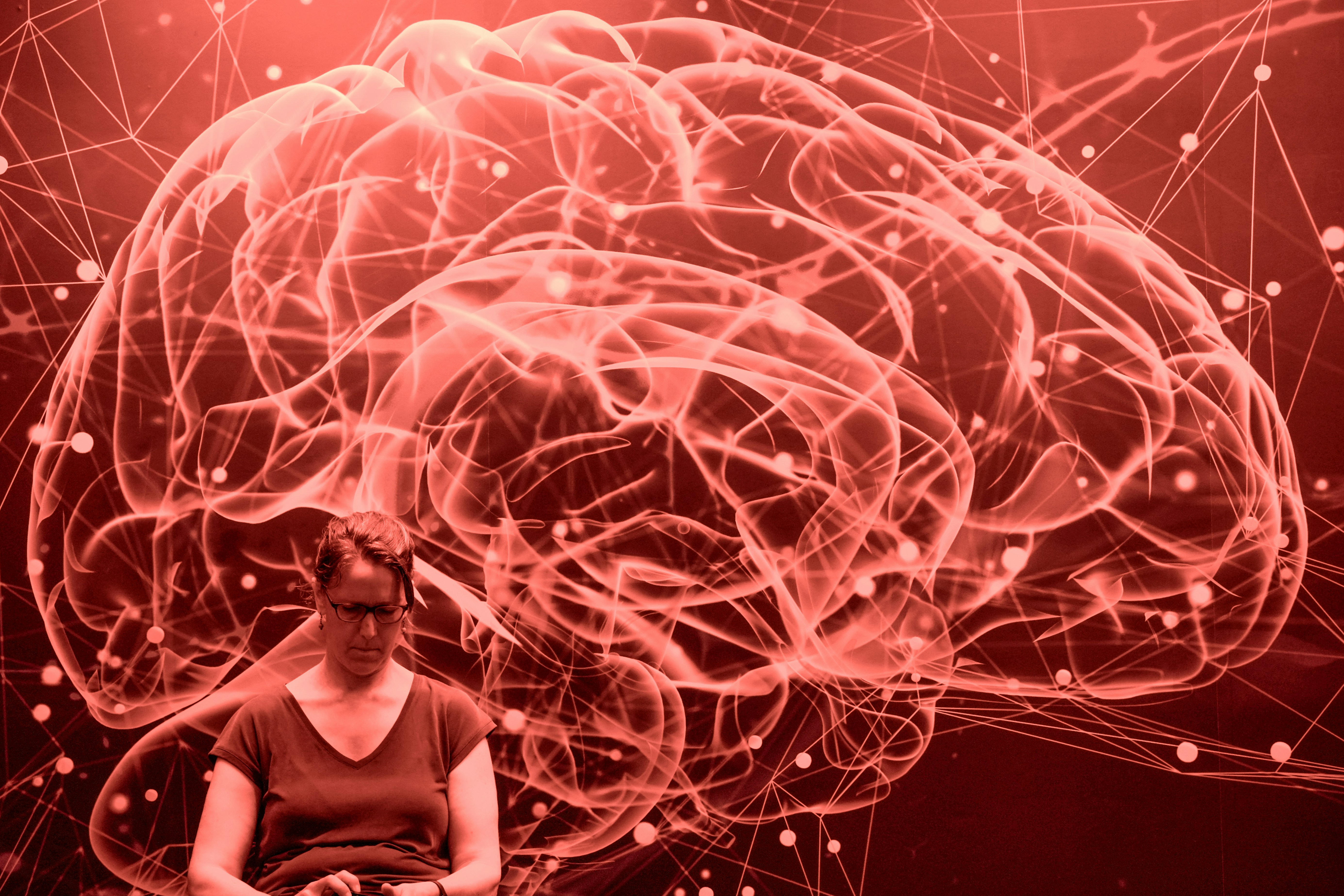
SAD is mostly linked to a lack of sunlight. Sunlight helps control serotonin, a brain chemical that affects mood. Less sunlight can lower serotonin levels, leading to sadness or low motivation.
Darkness also increases melatonin, the hormone that makes you sleepy. Too much melatonin can cause low energy during the day. Short winter days can also disrupt your body’s internal clock, making it harder to sleep well. Spending less time outside may lead to low Vitamin D, which is linked to low mood.
Recognizing the Signs
Common signs of SAD include:
- Feeling very tired
- Sleeping more than usual
- Craving sugary or carb-heavy foods
- Weight gain
- Avoiding social activities
People who live in areas with long winters are more likely to experience SAD.
Finding Support and Relief
Light therapy, counselling, and small lifestyle changes can help. Sitting near a light box in the morning, spending time outside during daylight, and eating healthy meals may improve mood. Some people may also benefit from Vitamin D or medication recommended by a doctor.
If you’re finding that winter is taking a toll on your mental health, counselling support is available at OK Clinical. Reach out to us to learn more about counselling options and get the help you need.
Visit our website or contact us at [email protected] or 250-718-9291. Our team is here to help you get started.
Resources and References:
- https://onlinelibrary.wiley.com/doi/10.1155/2015/178564
- https://www.tandfonline.com/doi/full/10.1081/CBI-120019310
- https://www.nimh.nih.gov/sites/default/files/documents/health/publications/seasonal-affective-disorder/seasonal-affective-disorder-508.pdf

Written by: Shavneet Thind
To book: Click Here!