

Understanding Seasonal Affective Disorder: When Winter Affects Your Mental Health
January 24, 2026
Embracing the Frost: Create a Winter Mindset With Acceptance and Commitment Therapy
February 7, 2026
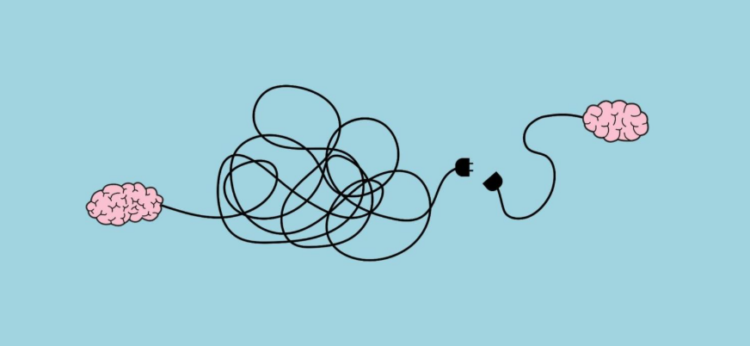
Many people seek counselling because they are feeling overwhelmed, exhausted, or stuck in patterns that no longer feel manageable. Often, these experiences are described using words like stress, burnout, or anxiety, terms we hear frequently but may not fully understand.
One way counsellors help clients make sense of these experiences is through psychoeducation. While psychoeducation is most commonly used within therapy, it can also be offered in an educational format to help individuals and groups better understand common mental health experiences.
What Is Psychoeducation?
Psychoeducation refers to the process of learning about mental health, emotions, behaviours, and the body’s responses to stress and change. In therapy, psychoeducation helps clients better understand themselves, their symptoms, and the patterns influencing their well-being.
When offered in presentations or workshops, psychoeducation shifts into an educational and preventative role. Rather than focusing on individual assessment or treatment, these presentations provide general information, shared language, and practical tools that people can reflect on and apply in their own lives.
Importantly, psychoeducation presentations do not replace therapy. Instead, they offer a starting point for understanding experiences that many people share.
Understanding Stress
CommoStress is a natural response to perceived demands or challenges. Short-term stress can sometimes help us focus or take action, but when stress becomes ongoing, it can begin to affect our emotional and physical well-being.
In psychoeducational presentations, stress is often explored by looking at:
- How the body responds to stress, including basic nervous system responses
- The difference between short-term stress and chronic stress
- Common signs of stress, such as irritability, fatigue, changes in sleep, or difficulty concentrating
- How stress can build over time without adequate recovery
- Simple strategies that support regulation and balance
Understanding stress in this way can help people recognize early signs of overwhelm and respond with greater awareness and self-compassion.
What Is Burnout?
Burnout is often discussed alongside stress, but it is not the same thing. Burnout tends to develop after prolonged periods of stress without enough rest, support, or recovery. It is especially common among students, caregivers, and those in helping or high-pressure roles.
Psychoeducation presentations on burnout may explore:
- How burnout differs from everyday stress
- Emotional, physical, and cognitive signs of burnout
- Common contributing factors, such as workload, expectations, and lack of boundaries
- Why burnout is not a personal failure
- Small, sustainable changes that support prevention and recovery
Learning about burnout can help individuals notice patterns earlier and seek support before reaching exhaustion.
Anxiety
Anxiety is one of the most common reasons people seek counselling, yet many people are unsure what anxiety is or why it shows up the way it does. In psychoeducational settings, anxiety is often discussed by exploring:
- What anxiety is and why it exists
- How anxiety shows up in the body, thoughts, and emotions
- The anxiety–avoidance cycle
- Common myths about anxiety
- Grounding and regulation strategies that can be used in daily life
- Rather than focusing on eliminating anxiety, psychoeducation emphasizes understanding anxiety and learning how to respond to it more effectively.
Why Psychoeducation Can Be Helpful
Stress, burnout, and anxiety are experiences that people can relate to. Learning about them in an educational setting allows individuals to:
- Gain language for what they may already be experiencing
- Learn without pressure to share personal details.
- Walk away with practical tools they can try right away.
- Feel validated and less alone.
If you’re finding that stress, burnout, or anxiety are affecting your mental health, support is available at OK Clinical Therapy Group. Reach out to learn more about counselling options and get connected with support. Call or text us on (250)-718- 9291 or email us at [email protected].

Written by: IsaBelle Macedo
To book: Click Here!