

Self-Love Beyond the Buzzwords: What Therapy Actually Builds
March 21, 2026
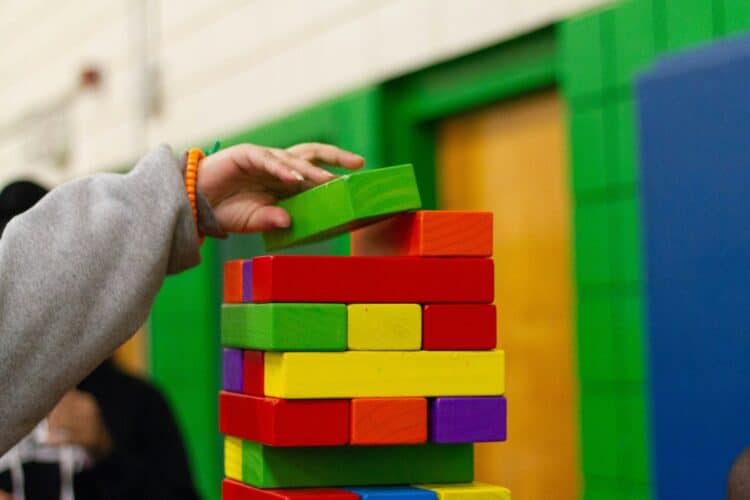
Not everything we feel can be easily put into words. In fact, some of our most overwhelming, confusing, or deeply rooted emotions live beyond language. This is especially true for children, but it also applies to adults. When words fall short, play therapy offers another way to access feelings.
What is Play Therapy?
Play therapy is a therapeutic approach that uses play, creativity, and imagination as tools for expression and healing. Rather than relying solely on conversation, it allows individuals to communicate through activities like drawing, playing with LEGO, and card games. In this space, play becomes the language you use to communicate.
For Both Kids and Adults
For children, this can be especially powerful. Kids often don’t yet have the vocabulary or emotional awareness to explain what they are going through. A child who is experiencing anxiety, grief or confusion may not say “I feel overwhelmed.” Instead, they might show it through play- by acting out scenarios, creating stories, or repeating certain themes. Play therapy meets the client where they are at, allowing them to express and process their experiences in a way that feels easy and safe.
While play therapy is often associated with children, it can also be incredibly beneficial for adults. Many adults find themselves feeling stuck, disconnected, or unable to articulate what’s going on internally. Traditional talk therapy can sometimes feel unapproachable or limiting, especially when emotions are complex or difficult to access. Incorporating creating and non-verbal methods- such as art, movement, or symbolic play- can open new pathways for insight and healing.
How is it Therapeutic?
Play therapy may look fun, and it is, but it is guided by a trained therapist who observes patterns, themes, emotional cues, and gently helps the child make sense of their inner world. Over time, this process can support emotional regulation, improve problem-solving skills, and strengthen a child’s sense of safety and self-awareness.
Engaging in non-verbal expression as an adult can feel unfamiliar at first. However, giving yourself permission to explore beyond words can be deeply freeing. It allows emotions to surface in a different way, often revealing layers that talking alone might not reach.
Key Takeaways
- Play Therapy uses play as a tool to access difficult emotions
- It is for both children and adults
- It helps normalize the idea that communication doesn’t have to be verbal to be meaningful
- It meets you wherever you are- and it’s fun!
If you or your child is struggling to “find the words,” it doesn’t mean there’s nothing to say. It may simply mean that another form of expression is needed. Play therapy creates space for that expression—without pressure, without judgment, and with the understanding that healing can begin in many different ways.
If this sounds like something you want to know more about, reach out to ask any questions and to book your complimentary 20-minute consultation.
We can’t wait to “play” with you!
Call us at: (250)-718-9291 or email us at [email protected]

Written by: Michelle Rupitz
To book: Click Here!