

Online Counselling: Accessing Mental Health Support from Home
February 28, 2026
Supporting Neurodivergent Adults
March 14, 2026
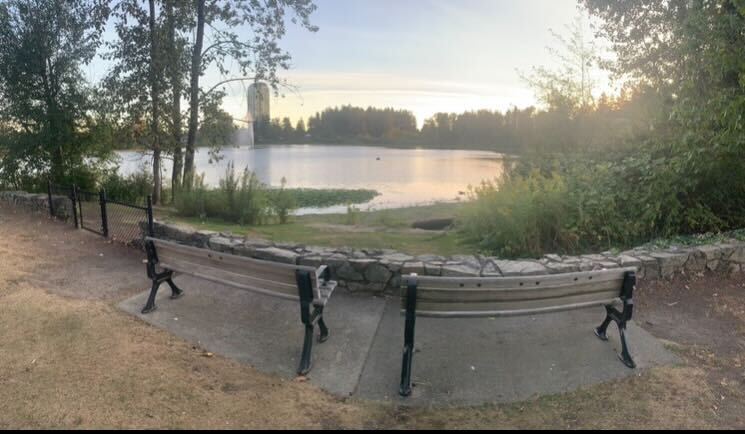
There’s something powerful about moving forward physically while working through emotional challenges. As a counsellor in Abbotsford working with individuals and couples, I offer Walk & Talk Therapy as an intentional alternative to traditional in-office sessions, while maintaining the same depth and therapeutic focus.
Walk & talks are not simply “a walk with conversation.” They are purposeful counselling sessions held outdoors, grounded in clinical intention and guided by your goals.
Why Walk & Talk Therapy?
For many people, sitting face-to-face in an office can feel intense or restrictive. Walking side-by-side can create a sense of ease, openness, and natural flow. Movement can help clients access thoughts and emotions differently than when seated.
Nature itself can be deeply regulating.
The rhythm of walking, fresh air, open space, and natural light can calm the nervous system. Being around a body of water, whether near a river, lake, or stream, can be especially calming. Water can act as an emotional regulation tool, both within the session and outside of it. We may pause to notice the sound of water, the sensation of wind, or the feeling of our feet on the path, all simple yet powerful ways to anchor when emotions feel overwhelming.
These tools are not just used during our time together; they become resources you can return to in your daily life. A familiar walking path, the sound of water, or mindful movement can become part of your personal regulation toolkit long after the session ends.
Maintaining Therapeutic Focus
While the setting may be different, the intention remains the same. Walk & Talk sessions are focused and collaborative in nature. We can clarify what you want to work on, whether that’s:
- Navigating relationship dynamics
- Strengthening communication
- Working through anxiety or emotional overwhelm
- Processing attachment patterns
- Building boundaries
- Developing emotional regulation skills
- Other skills or goals you may have
There is flexibility to address what arises naturally during the walk, and, at the same time, the therapeutic focus remains central. The movement supports the work; it does not replace it.
Who I Am as a Counsellor
My approach is grounded, compassionate, and relational. I work with both individuals and couples, supporting clients in understanding patterns, strengthening connections, and building practical tools for change. I value emotional safety, honest exploration, and steady therapeutic exploration.
I believe healing often happens when we feel both supported and gently challenged. Walk & Talk therapy can create a setting where that balance feels accessible and natural.
Is Walk & Talk Therapy Right for You?
Walk & Talk sessions may be a good fit if you:
- Feel more comfortable moving than sitting still
- Find nature calming or grounding
- Experience anxiety or feel “stuck” in traditional office settings
- Think more clearly while walking or being outdoors
- Prefer side-by-side conversation rather than face-to-face dialogue
- You want to integrate practical emotional regulation tools into daily life
- Are looking for a therapy experience that feels active and embodied
There are also meaningful therapeutic benefits to this format.
Movement can support emotional processing. As mentioned earlier, bilateral movement (like walking) engages both sides of the body and can help regulate the nervous system. For some clients, this makes it easier to explore heavier emotions without becoming overwhelmed.
Reduced performance pressure. In an office, some people feel they need to “have the right words” or present themselves in a certain way. Being outdoors can soften that dynamic, creating space for more authentic, less filtered conversation.
Cognitive flexibility and creativity. Walking has been shown to enhance creative thinking and problem-solving. Clients often find they access new insights, perspectives, or solutions more organically when in motion.
Emotional pacing. The physical pace of walking can help regulate the emotional pace of the session. We can slow down when something feels tender or continue moving when working through activation, allowing your body and nervous system to stay engaged without becoming flooded.
Walk & Talk therapy naturally bridges cognitive insight with somatic awareness. Rather than staying purely in thought, we integrate breath, posture, movement, and environment, supporting more holistic change.
Practical tools become lived experiences. Instead of just talking about grounding techniques, we practice them. Noticing the sensation of your feet on the path, pausing by water to regulate breath, or using sensory awareness outdoors becomes something tangible, something you can replicate outside of session when you need it most.
Sessions take place in Abbotsford and are structured to ensure safety and therapeutic intention. One aspect to take note of is that if you are physically struggling with health issues that restrict movements, this method may not be for you.
If you’re curious about Walk & Talk counselling, I invite you to reach out. You’re welcome to book a free consultation to see if it’s the right fit for you or inquire about availability for a full session. I look forward to connecting with you and walking alongside you in this work.
Ready to explore Walk & Talk Therapy?
Email to book: [email protected] or call 778-552-5569.

Written by: Liliane Wiens, RCC
To book: Click Here!